

Blog
Top 7 Tips to Choose the Best Pillow for Children

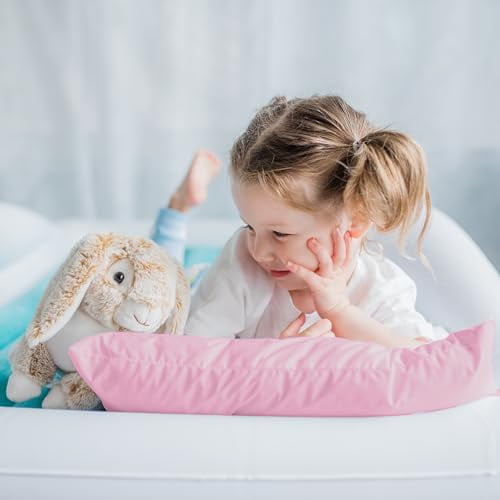
When it comes to children’s sleep, parents often focus on mattresses, bedtime routines, and screen-free eveningsbut one important detail is frequently overlooked: the pillow. Many of us assume that a pillow is “just a pillow,” but for a growing child, the wrong pillow can lead to neck discomfort, poor posture, allergies, or restless sleep.
At My Gigi’s Place, we believe that the little things matter especially when they affect your child’s comfort, health, and happiness. Inspired by a real Gigi and her grandkids, we understand how important it is to choose products you’d feel confident bringing into your own home. That’s why we’ve put together these seven essential tips to help you choose the best pillow for your child.
Why Do Children Need a Good Pillow?
Children’s bodies are still developing, and their necks and spines need proper support during sleep. A well-chosen pillow helps:
- Support delicate neck muscles
- Maintain healthy spinal alignment
- Improve sleep quality
- Reduce the risk of neck stiffness or shoulder pain
Unlike adult pillows, children’s pillows should be smaller, thinner, and firmer, providing just enough support without pushing the head too far forward or to the side.
At What Age Should Kids Start Using a Pillow?
Most children do not need a pillow before the age of two. Toddlers under 15–18 months typically sleep flat and don’t yet have established sleeping positions.
A good sign your child may be ready for a pillow is if you notice them:
- Placing their arm under their head while sleeping
- Using a soft toy or blanket as head support
Top 7 Tips to Choose the Best Pillow for Children
1. Choose the Right Size for Your Child’s Age
Pillow size matters more than you might think. A pillow that’s too large can strain the neck, while one that’s too small won’t provide enough support.
General size guidelines:
- 18–24 months: 10 × 16 inches
- 2–3 years: 13 × 18 inches
- 4–5 years: 16 × 22 inches
- 6–12 years: 18 × 24 inches
- Teens: 20 × 30 inches
Always match the pillow size to your child’s age and body size for optimal comfort.
2. Pay Attention to Pillow Material
Children are more sensitive to materials than adults, so choosing the right filling is crucial. Look for pillows made from breathable, non-toxic materials.
Common pillow materials include:
- Cotton
- Natural latex
- Memory foam
- Synthetic fills
For children, materials that are chemical-free, breathable, and supportive are ideal. Avoid pillows with loose pellets or fillings that could become a choking hazard if damaged.
3. Prioritize Safety Above All
Safety should always come first. Make sure:
- Your child is at least two years old before using a pillow
- The pillow is firm enough to prevent suffocation
- There are no loose parts, beads, or detachable fillings
A safe pillow gives parents peace of mind and helps children sleep securely through the night.
4. Look for Long-Lasting Durability
Kids can be rough on their belongings, even pillows. A high-quality pillow should:
- Retain its shape over time
- Resist flattening
- Be made from durable stitching and fabric
Investing in a well-made pillow means fewer replacements and better long-term support for your child.
5. Match the Pillow to Sleeping Positions
Children tend to toss and turn throughout the night. A good kids’ pillow should adapt easily to movement.
Here’s a simple test:
Press down on the center of the pillow.
- If it springs back quickly, it offers good flexibility
- If it stays flat or takes too long to recover, it may not provide proper support
A responsive pillow helps your child maintain a natural sleeping position.
6. Make Sure It’s Easy to Clean
Children’s pillows are exposed to sweat, drool, and spills. Hygiene is essential for healthy sleep.
Look for pillows that offer:
- Removable, washable covers
- Materials that withstand regular washing
- Breathable fabrics that stay fresh
Easy maintenance helps keep allergens away and ensures a cleaner sleep environment.
7. Consider Helpful Special Features
Some pillows include added features that can enhance comfort and health, such as:
- Cooling properties for warm sleepers
- Hypoallergenic materials for children with allergies or asthma
- Lightweight and portable designs for travel or sleepovers
These features can make a noticeable difference in your child’s sleep quality.
Conclusion
Choosing the right pillow for your child isn’t about luxury; it’s about supporting healthy growth, comfort, and peaceful sleep. By considering size, material, safety, and ease of care, you can make a choice that benefits your child night after night.
At My Gigi’s Place, we focus on thoughtfully selected, brand-new items we’d happily use for our own families. When you shop with us, you’re supporting a small, family-run business that values quality, care, and real service just the way Gigi would want it.
Sweet dreams start with the right pillow