

Blog
How Infant Educational Toys Support Early Growth and Learning

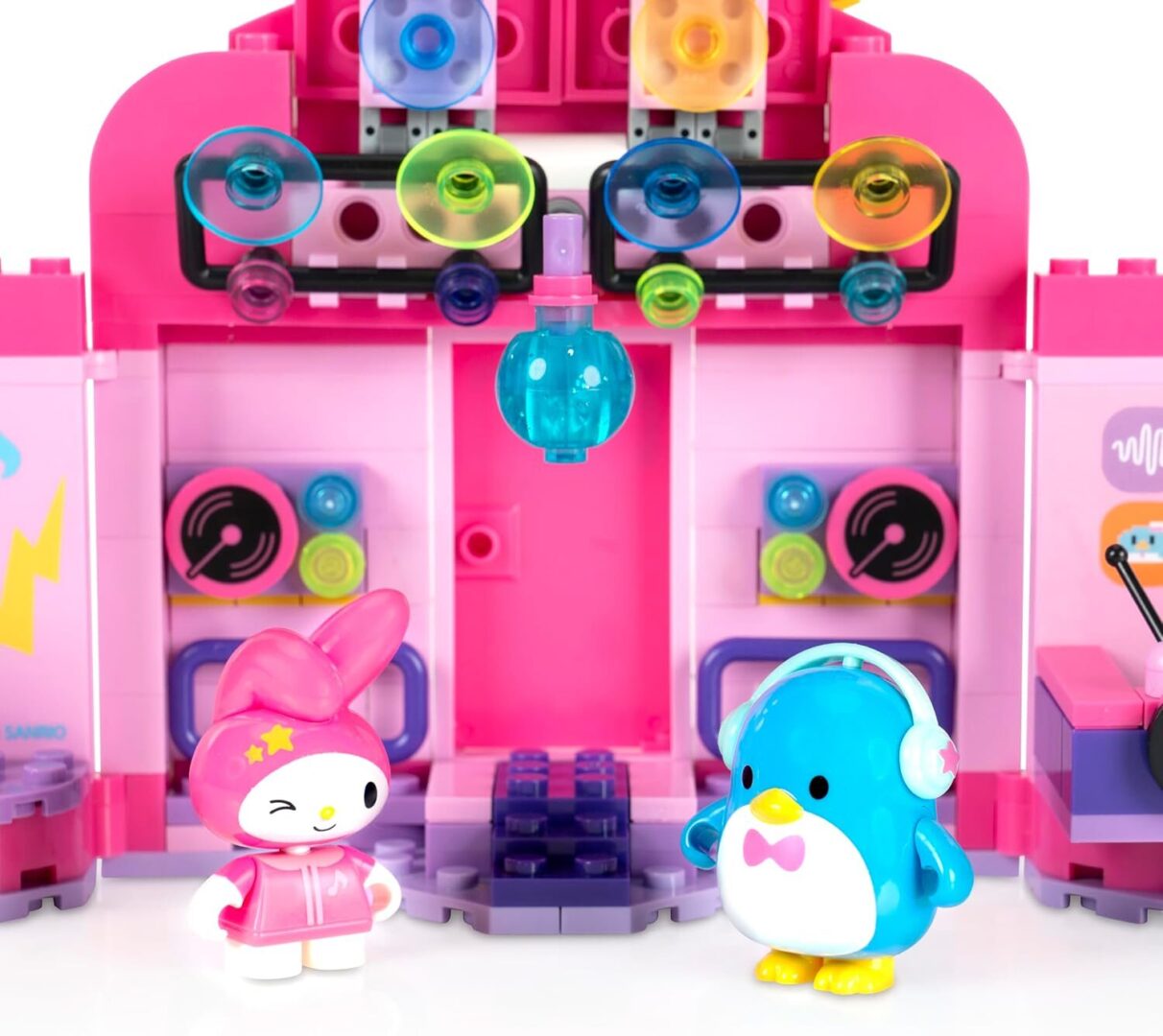
From the moment a baby opens their eyes, they begin learning about the world around them. Every sound, texture, movement, and interaction helps shape early brain development. This is where infant educational toys play a powerful role. They are not just adorable playthings, they are tools that support cognitive, physical, emotional, and social growth during a child’s most important developmental stage.
At My Gigi’s Place, a small family-run online store based in Georgia and inspired by a real Gigi and her grandkids, we truly believe that thoughtful toys can make everyday moments more meaningful. Let’s explore how infant educational toys support early growth and how parents and caregivers can make smart, loving choices.
Why Early Learning Matters So Much
The first few years of life are when a baby’s brain develops the fastest. Neural connections are built through repetition, play, and sensory experiences. Toys that are designed with learning in mind help infants explore safely while encouraging curiosity and confidence.
High-quality infant educational toys help babies:
- Understand cause and effect
- Improve motor skills
- Develop early communication abilities
- Build emotional security
Even simple play experiences can have long-lasting effects on how children learn, solve problems, and interact with others later in life.
Cognitive Development Through Play
Cognitive growth refers to how babies think, remember, and learn. Educational toys introduce concepts like shapes, colors, sounds, and patterns in a fun, pressure-free way.
For example:
- Toys that make a sound when pressed teach cause and effect
- Shape sorters build problem-solving skills
- Textured toys improve sensory recognition
The best infant educational toys don’t overwhelm babies. Instead, they offer gentle challenges that grow with the child, encouraging exploration at their own pace.
Supporting Motor Skills and Coordination
Physical development is another key benefit of educational toys. Infants develop both gross motor skills (large movements like rolling and crawling) and fine motor skills (small movements like grasping and pinching).
Toys that support this include:
- Soft blocks and stacking toys
- Push-and-pull toys
- Toys designed for gripping and squeezing
These activities strengthen muscles, improve coordination, and help babies gain confidence in their movements, all while having fun.
Language and Communication Development
Babies start learning language long before they say their first word. Educational toys that involve sounds, repetition, and interaction help develop early communication skills.
Talking, singing, or naming objects during play helps infants:
- Recognize sounds and words
- Improve listening skills
- Build early vocabulary
This is why parent involvement is just as important as the toy itself. Even the simplest infant educational toys become powerful learning tools when paired with loving interaction.
Emotional and Social Growth
Play also supports emotional development. Toys provide comfort, familiarity, and opportunities for self-expression. Through play, infants learn patience, focus, and emotional regulation.
As children grow, educational toys evolve to support social interaction and creativity. For example, language-based games and craft activities encourage cooperation, imagination, and shared experiences.
As kids get older, families can introduce engaging learning tools like The Hilarious Word Magnet Party Game for 3+ Players. While designed for older children, it shows how educational play can continue developing language, creativity, and social skills well beyond infancy.
Creativity and Hands-On Learning as Children Grow
Educational toys don’t stop being valuable once babies grow into toddlers and young kids. Creative play builds problem-solving abilities and self-expression.
Hands-on activities like:
- 9 Pack Build a Snowman Kit – Fun Christmas Crafts for Kids
- Unicorn Soap Making Kit – Fun DIY Craft for Girls Age 6+
encourage imagination, sequencing, and fine motor skills. These types of toys show how early play naturally evolves into creative learning experiences later in childhood.
By starting with age-appropriate infant educational toys, parents set the foundation for a lifelong love of learning.
Choosing the Right Infant Educational Toys
Not all toys are created equal. When selecting educational toys for infants, look for:
- Age-appropriate design
- Non-toxic, baby-safe materials
- Simple, open-ended play features
- Durable construction
At My Gigi’s Place, every item is brand new and carefully selected from trusted suppliers. We focus on toys we’d feel confident giving to our own children, safe, meaningful, and designed to inspire learning.
The Role of Parents and Caregivers
Even the best toy works best when paired with a human connection. Sitting on the floor, talking, laughing, and engaging with your baby multiplies the benefits of play.
Rotate toys occasionally to keep things fresh, and don’t worry about having too many. A few thoughtfully chosen infant educational toys are far more valuable than overflowing bins of unused ones.
Why Families Choose My Gigi’s Place
When you shop at My Gigi’s Place, you’re supporting a real family, not a big box store. We offer:
- Carefully curated, all-new products
- Fast U.S. shipping with tracking (3–7 business days)
- Free returns within 15 days
- Friendly, real customer support
We believe in clear communication, careful packing, and treating every order the way we’d want our own family treated.
Conclusion
Infant educational toys are more than cute gifts they are building blocks for growth, curiosity, and confidence. From sensory exploration to early language skills, the right toys help children learn naturally through play.
At My Gigi’s Place, we’re honored to be part of your family’s journey. Whether you’re shopping for a newborn, a growing toddler, or a curious young creator, we’re here to help you choose toys that truly matter.
Because when learning starts with love, it lasts a lifetime.